

A humanitarian design field guide · 44 pages
Draw less.
Listen more.
A field-tested framework for designing responsibly across cultures, climates, economies, and borders. Created for universities, JI volunteers, and anyone who wants to use their skills to bless the rest.
Before design begins
Understand the
community first.
A building can be technically sound and still fail the people it was meant to serve. The hardest questions come before the first line is drawn.
How does a community gather? Who makes decisions? Which materials, skills, regulations, seasons, risks, and beliefs shape everyday life? Draw Less. Listen More. uses those questions to guide a process built around respect, local knowledge, and partnership.
Inside the field guide
The four
project stages
Four connected stages guide a team through a humanitarian design project, with checklists, deliverables, case studies, diagrams, and field-tested questions along the way.
 01
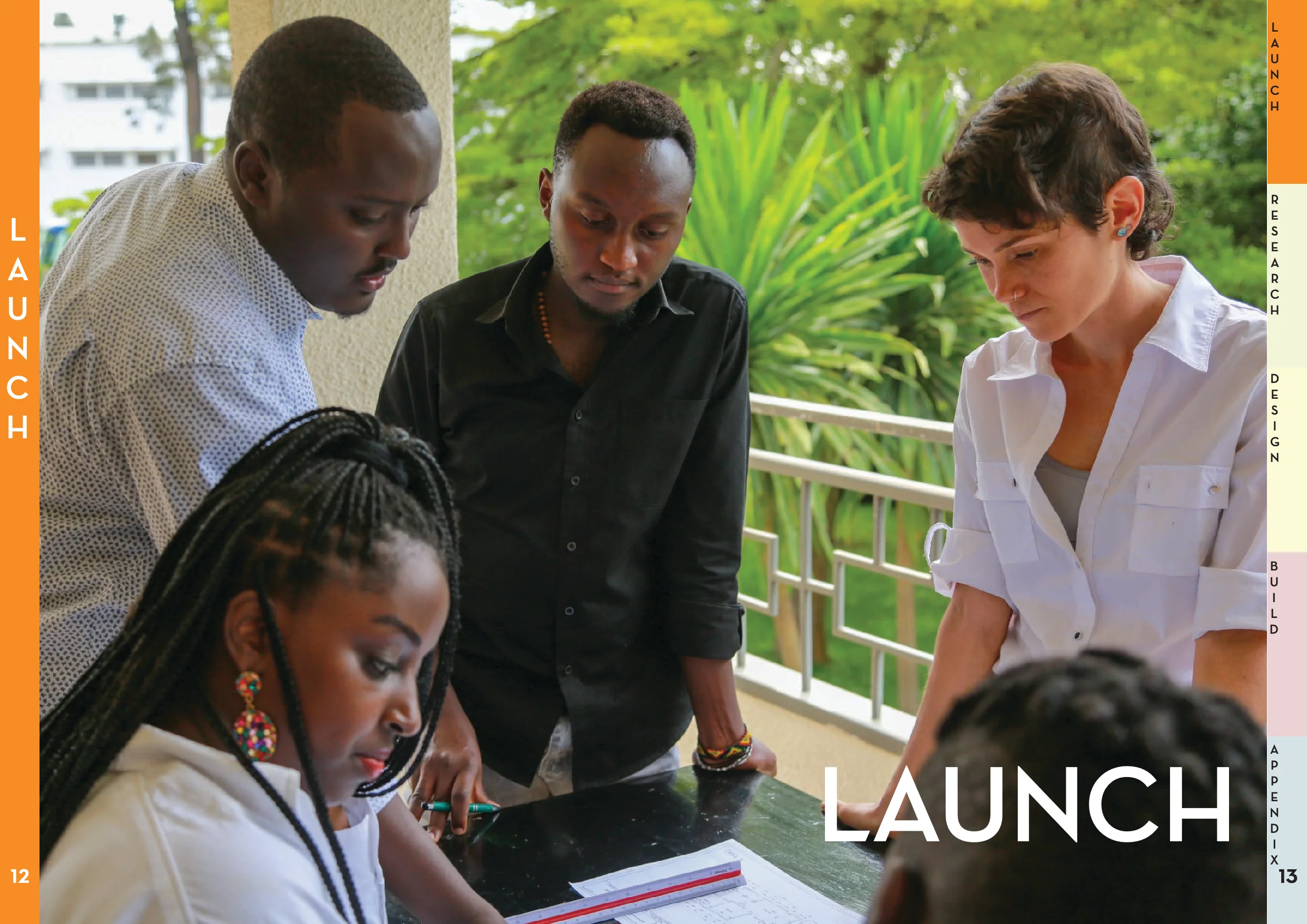
Launch
Build the right team, define the relationship, and begin with humility.
 02
Research
Read the climate, culture, economy, customs, and community before drawing conclusions.
 03
Design
Translate what you learn into resilient, locally appropriate places with dignity.
 04
Build
Prepare clear documents and support construction within real local constraints.
Built to be used
Use the field guide
Read it online, download a copy, share it with your team, and return to it at every stage of the project. The field guide is free to use.
Ready to put it to work?